
close
Choose Your Site
Global
Social Media


Views: 0 Author: Site Editor Publish Time: 2026-03-17 Origin: Site


If you want brakes that work well and last long, pick cast brake shoes. Cast iron is strong and deals with heat better. Steel brake shoes are lighter, but they wear out faster. Cast iron is best for daily driving or heavy-duty brakes.
Choose cast iron brake shoes for heavy-duty use. They last longer and handle heat better, making them ideal for trucks and buses.
Steel brake shoes are lighter and cost less upfront. They work well for smaller vehicles and daily driving but wear out faster.
Inspect your brake shoes regularly, at least every 12,000 miles. Look for cracks or wear to ensure safe braking performance.
Consider the long-term value of brake shoes. Cast iron may cost more initially but saves money on repairs and replacements over time.
Match your brake shoes to your driving style. Use cast iron for city driving and heavy loads, and steel for high-speed performance.
When you check brake shoes, you see two main types. These are cast iron and steel. Each type has special features. These features change how brakes work and how long they last.
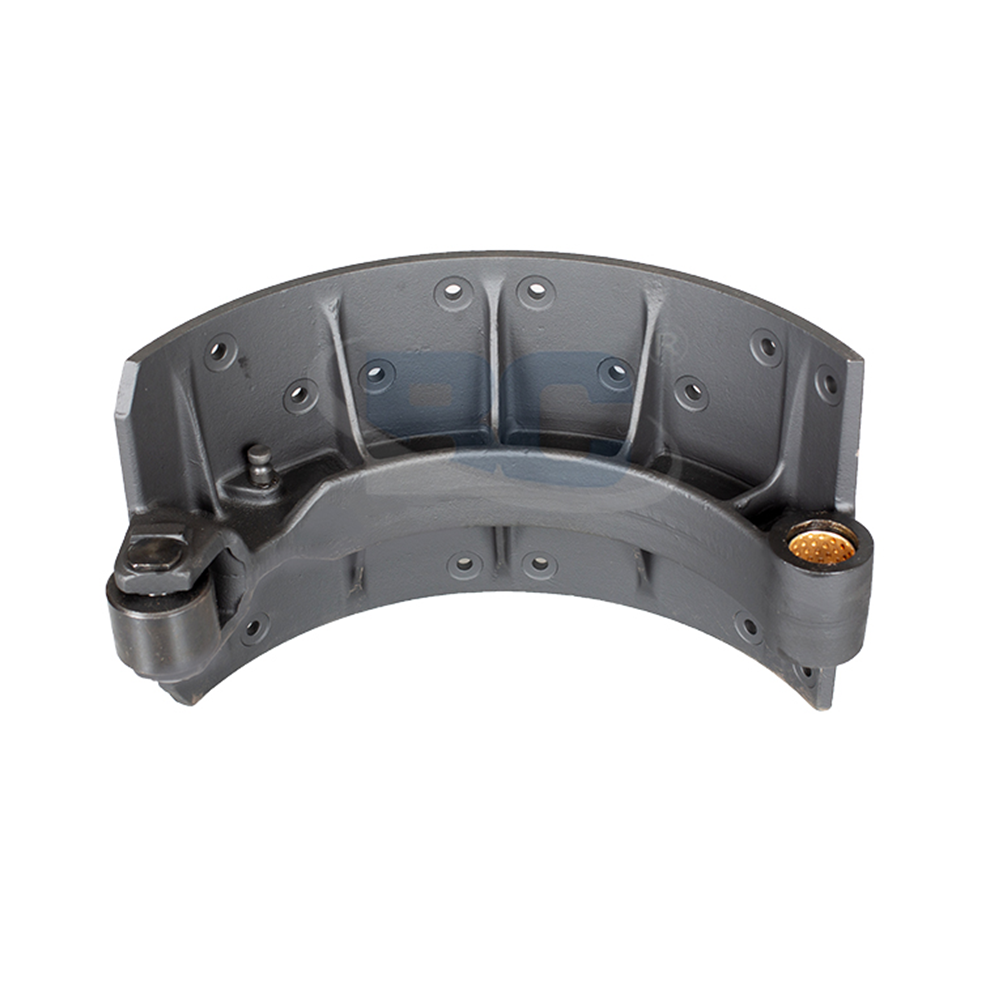
Cast iron brake shoes use a tough material. This material can handle heavy loads and high heat. Makers often shape cast iron to fit certain brake systems. This shaping gives the brake shoe a strong form. It also helps the shoe last longer. Cast iron resists wear very well. It also reduces shaking, so your ride feels smoother when you stop.
Tip: Cast iron brake shoes are best for vehicles that need strong brakes, like trucks or buses.
The table below shows how cast iron and steel compare in key areas:
Property | Cast Iron | Steel |
|---|---|---|
Strength | High compressive | High tensile |
Flexibility | Brittle | More flexible |
Wear Resistance | Excellent | Good |
Vibration Damping | Great | Moderate |
You can see cast iron is great for wear resistance and vibration damping. These features make it a good pick for heavy-duty jobs.
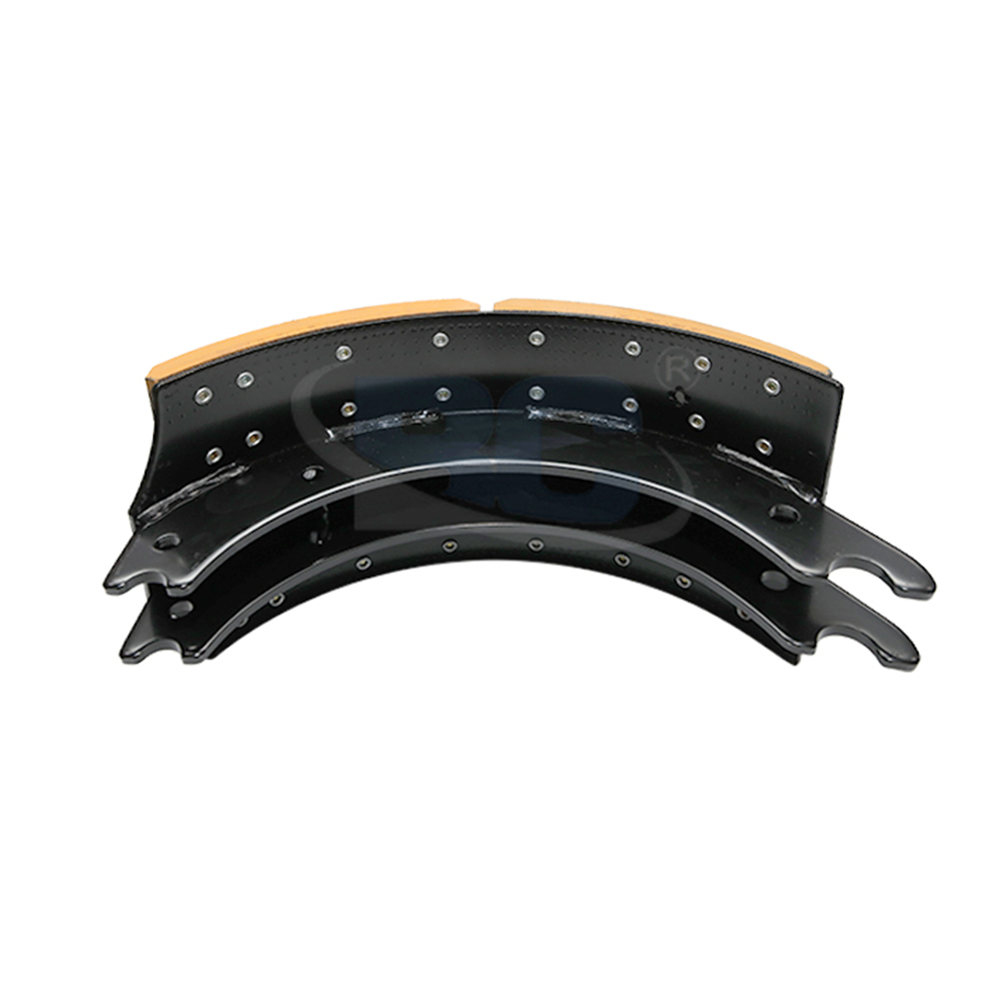
Steel brake shoes use a lighter material. Makers often use mild steel. They build the shoe by adding a platform for brake linings and a web for extra strength. Steel shoes bend more than cast iron. This means they are more flexible. Flexibility helps in some cases, but it can also make the shoe wear out faster.
Here is a quick look at how they are made:
Brake Shoe Type | Material Composition | Construction Details |
|---|---|---|
Small Drum Brakes | Fabricated Mild Steel | Platform for brake lining and web for stiffness |
Commercial Vehicle Brakes | Cast Iron | Focus on durability and strength |
Steel brake shoes are good for smaller vehicles. They are also good when weight matters more than strength. You might pick steel if you want a lighter brake shoe for daily driving.
You want your brakes to stop your vehicle quickly and safely. The stopping power depends on the friction between the brake shoe and the rotor. Cast iron brake shoes usually give you a higher friction coefficient at lower speeds. This means you get strong stopping power when you drive in the city or carry heavy loads. As your speed increases, the friction coefficient for cast iron drops. You may notice that the brakes feel less strong at high speeds.
Steel brake shoes show different friction characteristics. They can generate more friction at higher speeds, especially when paired with steel rotors. This makes them a good choice for high performance needs, like racing or fast highway driving. The friction between steel brake shoes and steel rotors stays more stable when you brake hard or often.
The kinetic friction coefficient for cast iron brake shoes drops at higher speeds.
Friction depends on how far you press the brake and how fast you go.
Steel brake shoes can keep a higher friction coefficient at high speeds.
Note: If you want high performance at low speeds, cast iron is better. For high-speed braking, steel brake shoes with steel rotors can give you more stable friction.
Braking creates heat. If your brake shoes cannot handle heat, you get brake fade. This means your brakes lose power when you need them most. Cast iron brake shoes have high heat resistance. They spread heat quickly, so the brake linings and rotors stay cooler. Cast iron also has low thermal expansion. The shape and fit of the brake shoe stay the same, even after many stops.
Steel brake shoes have moderate heat resistance. They do not spread heat as well as cast iron. Steel expands more when it gets hot. This can change the fit of the brake shoe and cause brake fade. Over time, repeated heating and cooling can make steel brake shoes crack or soften. You may see more wear and even cracks in the material.
Here is a table that shows how cast iron and steel compare:
Property | Cast Iron | Steel |
|---|---|---|
Thermal Expansion | Low | Moderate |
Heat Resistance | High | Moderate |
Cast iron brake shoes move heat away fast and keep their shape.
Steel brake shoes can get soft or crack after many hot stops.
Brake fade happens more with steel brake shoes because of higher thermal expansion.
Tip: For high performance and less brake fade, pick cast iron brake shoes, especially if you drive in the city or tow heavy loads.
You want your brakes to work every time, no matter how fast you go. Cast iron brake shoes give you reliable performance at low and medium speeds. They keep their friction and shape, so you get smooth stops. At high speeds, the friction coefficient drops, and you may feel less stopping power.
Steel brake shoes shine at high speeds. They keep a higher friction coefficient and work well with steel rotors. This makes them a good choice for high performance vehicles and racing. Steel brake shoes can handle the heat from fast stops, but they may wear out faster if you brake hard often.
Here is a table that shows how different brake shoe types perform:
Brake Shoe Type | Performance Characteristics | Observations |
|---|---|---|
Low-Steel (LS) | Better wear and integrity under severe conditions | Generates higher friction (30-40% more) and reduces heat buildup |
Non-Asbestos Organic (NAO) | Wears quickly, cracks easily | Lower friction leads to heat buildup and more debris |
You should also think about compatibility. Steel brake shoes work best with steel rotors. This pairing gives you stable friction and high performance at high speeds. Cast iron brake shoes can work with many types of brake rotors, but they do best at lower speeds.
Reminder: Choose the brake shoe that matches your driving style. For city driving and heavy loads, cast iron is best. For high-speed or high performance needs, steel brake shoes with steel rotors are a smart pick.
You want your brake shoes to last a long time. Cast iron gives you excellent wear resistance. This means you will see less material loss over time. Steel offers more flexibility. When you press the brake, steel bends a little. This flexibility helps the shoe fit tightly against the rotor. You get smoother stops, but the steel can wear down faster. If you drive in rough conditions, you may notice steel shoes lose their shape sooner. Cast iron stays strong and keeps its form, even after many stops.
Tip: If you want less frequent repairs, choose cast iron for your brake shoe.
Cracking can cause big problems for your brakes. Cast iron resists cracking because it handles heat well. You can trust it to stay solid, even when the rotor gets hot. Steel can crack if it faces too much heat or stress. When you use your brakes a lot, steel shoes may show small cracks near the brake linings. These cracks can grow and make the shoe unsafe. You should check your brake shoes often, especially if you drive in the city or tow heavy loads.
Material | Crack Resistance | Best Use Case |
|---|---|---|
Cast Iron | High | Heavy-duty, frequent stops |
Steel | Moderate | Light vehicles, high speed |
You want to know how often you need replacement. Cast iron brake shoes last longer because they resist wear and cracking. You will not need to change them as often. Steel brake shoes wear out faster, especially if you use your brakes hard. If you drive fast or carry heavy loads, you may need to replace steel shoes more often. Always check your brake rotors and brake linings when you do a replacement. This helps you keep your whole brake system safe and working well.
Remember: Regular checks help you spot problems early and avoid sudden brake failure.
When you shop for a brake shoe, you notice the price difference right away. Steel brake shoes usually cost less than cast iron ones. You pay less at first for steel. This makes them a good choice if you want to save money now. You see steel brake shoes in many small cars and light trucks. Makers use steel because it is easy to shape and light to carry. The lower price comes from simple production and less material.
Cast iron brake shoes cost more. You pay extra for the strong material and custom fit. Cast iron needs special molds and more work to make. You see these brake shoes in heavy-duty vehicles. The higher price gives you better strength and longer life. If you want a brake that lasts, you may want to spend more at the start.
Tip: If you drive a heavy vehicle or tow loads, the higher price for cast iron can save you money later.
You should think about more than just the first price. The long-term value matters most for your wallet. Steel brake shoes wear out faster. You may need to replace them often, especially if you use your brakes hard. The linings on steel shoes can get thin quickly. You also see more wear on the rotor and brake pads. This means you spend more on brake pads, linings, and even brake rotors over time.
Cast iron brake shoes last longer. The linings stay thick for more miles. You do not need to change brake pads or linings as often. The rotor stays smooth because cast iron spreads heat well. You save money on repairs and parts. The strong material also protects the brake system. You get fewer problems with brake pads, linings, and the rotor.
Here is a quick table to help you compare:
Feature | Steel | Cast Iron |
|---|---|---|
Initial Cost | Lower | Higher |
Replacement Frequency | More often | Less often |
Rotor & Pad Wear | Faster | Slower |
Linings Longevity | Shorter | Longer |
You get the best value when you match your brake shoe to your driving needs. If you want fewer repairs and longer life, cast iron brake shoes give you the most for your money.
You should check your brake shoes often to keep your vehicle safe. Start by looking for signs of wear on the surface. If you see grooves or uneven spots, you may need to replace them. Use a flashlight to see the edges and the area where the shoe meets the drum. Listen for squeaking or grinding sounds when you press the pedal. These sounds can mean the shoes are worn out.
Follow these steps for a basic inspection:
Park your vehicle on a flat surface.
Remove the wheel to reach the brake assembly.
Look at the brake shoe for cracks or thin spots.
Check the springs and pins for rust or damage.
Put everything back if you do not see problems.
Tip: You should inspect your brake shoes every 12,000 miles or once a year.
You may face some common problems with brake shoes. Cracking is a big issue, especially with steel shoes. If you see small lines or splits, you should replace the shoe right away. Warping can also happen if the shoe gets too hot. This can make your vehicle shake when you stop.
Here is a table of common issues and what you can do:
Problem | What to Look For | What to Do |
|---|---|---|
Cracking | Small lines or splits | Replace the shoe |
Warping | Uneven surface | Replace the shoe |
Excessive Wear | Thin lining | Install new shoes |
Noise | Squeaking or grinding | Inspect and replace |
You can avoid most problems by checking your brake shoes often and fixing issues early. Regular care helps your brake system last longer and keeps you safe on the road.
You see brake blocks in almost every passenger car. Most small cars use steel brake blocks because they are light and easy to make. You get good fuel economy with less weight. Steel brake blocks work well for city driving and short trips. If you drive a family car or a small SUV, you probably have steel brake blocks. These blocks give you smooth stops and quiet operation. You do not need heavy-duty parts for daily use.
Tip: Check your brake blocks every year to keep your car safe.
You need strong brake blocks for trucks, buses, and machines. Cast brake blocks handle heavy loads and high heat. If you drive a big truck or a bus, you want brake blocks that last longer and do not crack. Cast brake blocks give you better wear resistance. You can trust them for long trips and tough jobs. Many factories and construction sites use cast brake blocks on their machines. These blocks keep workers safe and help machines stop quickly.
Here is a quick table to help you choose:
Vehicle Type | Best Brake Blocks |
|---|---|
Small Car | Steel |
Truck/Bus | Cast |
Industrial Machine | Cast |
You must match your brake blocks with the right parts. Steel brake blocks work best with steel rotors. This pairing gives you stable stops at high speeds. If you use steel rotors, you should pick steel brake blocks for the best results. Cast brake blocks can also work with steel rotors, but you may see more wear. Always check your brake blocks and rotors for signs of damage. Replace them if you see cracks or thin spots.
Note: Using the right brake blocks with steel rotors helps your brakes last longer and keeps you safe.
You want to know what makes cast iron brake shoes a smart choice. These brake shoes give you steady performance in many conditions. You do not have to worry about changes in weather. The friction stays almost the same, even if it rains or gets hot. Cast iron brake shoes also help your brakes cool down fast. This means you get less brake fade and more stopping power. Small rough spots on the shoe wear down quickly, so you always get a smooth stop. You can count on the same grip every time you press the pedal.
Here is a table to help you see the main pros and cons:
Pros | Cons |
|---|---|
Friction coefficient is almost independent from atmospheric conditions | Friction depends on speed and how hard you press the brake |
Material properties stay the same no matter who makes them | |
Good heat dissipation during braking | |
Small flats get smoothed out with use | |
Keeps a steady grip because of constant roughening |
You get the best results with cast iron brake shoes if you drive in the city or carry heavy loads. They work well with many types of rotors, including steel rotors.
Steel brake shoes give you some strong benefits. You get long-term reliability and less time in the shop. These shoes use special friction compounds that resist heat. The steel backing plates make the shoe strong and help the lining stick better. You can drive longer before you need to replace them. Steel brake shoes also help you stop faster and keep your brakes working in wet weather. They work well with steel rotors, especially at high speeds.
Check out this table for the main pros and cons:
Pros | Cons |
|---|---|
Last up to 40% longer than economy-grade | Higher initial cost |
Lower labor costs because you need fewer service visits | May need special tools to install |
Consistent braking reduces stopping distances | Not all brands offer premium options |
Resistant to moisture absorption | Sometimes over-specified for small cars |
Help meet safety standards | |
Reinforced steel backing plates | |
Heat-resistant friction compounds | |
Optimized lining adhesion |
If you want brakes that last and work well with steel rotors, steel brake shoes are a good pick for high-speed driving or when you want fewer repairs.
Most drivers find cast iron brake shoes are a great choice. They last a long time and work well. You do not need to fix them often. The table below helps you see how each type compares for price and how they work:
Brake Shoe Type | Cost | Performance Characteristics |
|---|---|---|
Rubber/organic shoes | Most affordable | Good for light use and budgets. |
Ceramic and copper-based | Mid-range | Balanced comfort and longevity. |
Semi-metallic and slotted/drilled | Higher initial cost | Best for tough conditions and long service. |
New studies say advanced cast iron, like austempered types, lasts even longer. These types also give better grip and wear in hard jobs. Pick brake shoes that fit your car and how you drive. If you are not sure, ask a pro for help.
You will notice that cast iron brake shoes last longer and handle heat better. Steel brake shoes weigh less and cost less. You should pick cast iron for heavy loads and steel for lighter vehicles.
You get more torque and better stopping power with cast iron brake shoes. These shoes grip the drum well and help your car stop quickly. Steel brake shoes give you good torque at high speeds but may wear out faster.
You can use cast iron brake shoes with most brake discs. Always check your vehicle’s manual to make sure the parts match. Using the right combination helps you get safe and smooth stops.
You get better traction when your brake shoes work well. Good brake shoes help your tires grip the road during stops. Worn or cracked shoes can reduce traction and make stopping harder.
You should check your brake shoes every 12,000 miles or once a year. Replace them if you see cracks, thin linings, or hear noise. Regular checks keep your brakes safe and strong.


