
close
Choose Your Site
Global
Social Media


Views: 0 Author: Site Editor Publish Time: 2026-06-20 Origin: Site


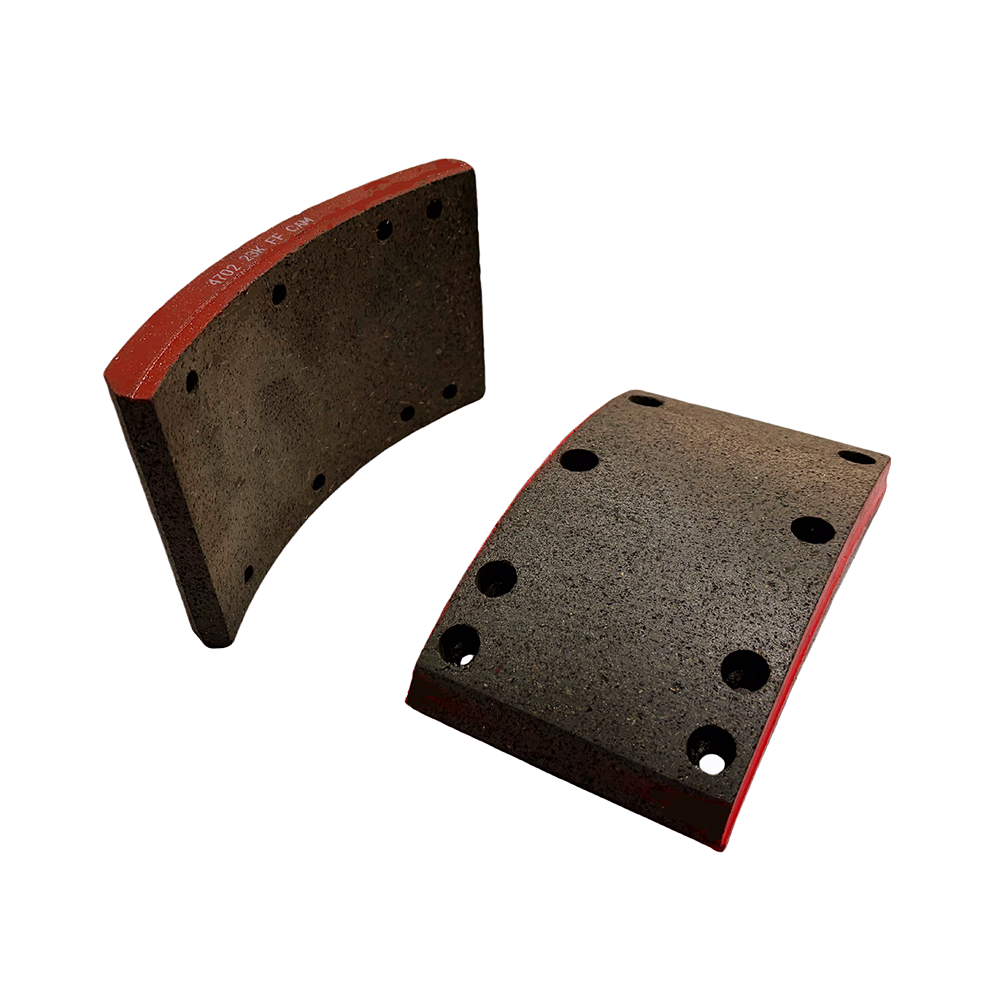
Brake system degradation happens gradually. We often miss the early warning signs entirely. You might not notice the danger until stopping distances increase or expensive rotor damage occurs. First, let us clarify a common mechanical distinction. Mechanics often talk about replacing a brake pad or a brake shoe. However, the actual friction material doing the hard work is the brake lining. This critical sacrificial layer literally stops your vehicle.
Standard manufacturer intervals give you a solid baseline for maintenance. Yet, true inspection frequency varies wildly in the real world. It depends heavily on your vehicle type, your typical cargo payload, and your daily driving environment. This guide outlines exactly when you should evaluate your Brake Linings. We will also show you how to decide if a professional diagnostic is required to ensure your safety on the road.
Standard Baseline: Brake linings should be inspected every 10,000 to 12,000 miles, or conveniently alongside every tire rotation or alternating oil change.
Minimum Safe Thickness: Linings worn down to 3mm or less require immediate replacement to prevent mechanical failure.
Variable Wear Rates: Stop-and-go city driving, towing, and mountainous terrain can reduce brake lining lifespan by up to 50%.
Symptom-Driven Action: Squealing, grinding, or a spongy brake pedal override any mileage schedule and dictate an immediate inspection.
Automotive professionals generally agree on a standard benchmark for brake maintenance. You should perform routine visual inspections every 10,000 to 12,000 miles. This interval allows mechanics to catch premature wear before it compromises vehicle safety. Adhering to this baseline prevents catastrophic brake failure during emergency stops.
Smart maintenance relies on service pairing. You can bundle brake inspections with routine tire rotations easily. Technicians must remove the wheels to rotate the tires. This process exposes the entire brake assembly. They gain an unobstructed view of the friction material. You save time and labor costs by checking the braking components during alternating oil changes. It creates an efficient, predictable maintenance rhythm.
General advice provides a good starting point. However, Original Equipment Manufacturer (OEM) guidelines always trump generalized rules. You must consult your specific owner manual. Brands like Honda or Mazda engineer their braking systems differently. A lightweight commuter sedan faces different thermal stresses than a heavy-duty pickup truck. Heavy-duty trucks often require inspections every 5,000 miles due to massive weight loads. Sedans might easily reach 15,000 miles between checks.
Low-mileage drivers face unique risks. You might only drive 3,000 miles a year. You still need an annual inspection. Time degrades automotive components just like mileage does. Moisture accumulates on stationary vehicles. This moisture causes rust on the brake rotors and the metal backing plates. Environmental exposure leads to dry-rotting of rubber seals. Seized brake calipers frequently ruin perfectly good friction materials. An annual check catches these time-based issues early.
Routine Inspection Schedule Guide | ||
Driving Profile | Recommended Mileage Interval | Recommended Time Interval |
|---|---|---|
Standard Commuter (Sedan/SUV) | 10,000 - 12,000 miles | 12 months |
Heavy-Duty / Towing Truck | 5,000 - 7,500 miles | 6 months |
Low-Mileage Driver | Regardless of mileage | 12 months |
Your driving environment dictates how fast your friction materials disappear. You cannot rely on mileage alone if you drive in extreme conditions. Different variables accelerate wear dramatically.
City commuting destroys brake components faster than highway cruising. Stop-and-go traffic demands high-frequency braking. Every time you press the pedal, the system generates immense heat. In heavy traffic, the components never get enough airflow to cool down completely. This sustained thermal stress degrades the friction material rapidly. Highway drivers might get 60,000 miles out of a set. City drivers often need replacements at 25,000 miles.
Physics plays a crucial role in component lifespan. Heavier vehicle weight requires more kinetic energy to be dispersed. When you tow a trailer, your brakes must stop the vehicle and the trailer mass. The system converts this massive kinetic energy into thermal energy. This rapid energy conversion consumes Brake Linings quickly. Commercial drivers and towing enthusiasts must inspect their systems twice as often as regular drivers.
Your local topography heavily influences wear rates. Mountainous terrain introduces the danger of long descents. Riding the brakes down a steep grade builds extreme heat. This heat can cause brake fade. It also causes the lining surface to glaze. Glazing happens when the friction material gets so hot it crystallizes and hardens. A glazed surface loses its gripping ability. It creates poor stopping performance and damages the rotor surface.
The type of material installed on your vehicle matters greatly. Manufacturers use three main compounds today. Each responds differently to thermal stress.
Organic: These materials feel soft and quiet. However, they wear out the fastest under heavy heat. They produce significant brake dust.
Semi-Metallic: These compounds offer excellent heat dissipation and durability. They withstand towing well. Unfortunately, they wear down brake rotors faster and often squeal.
Ceramic: These premium materials handle high temperatures flawlessly. They last a long time and produce minimal dust. They perform best for daily commuters seeking longevity.
You must listen to your vehicle. It actively communicates mechanical distress. Auditory and tactile warning signs override any standard mileage schedule. You must act immediately when these symptoms appear.
Automotive engineers design built-in acoustic alarms. Most systems feature a small metal wear indicator tab. When the friction material wears down to a critical level, this metal tab contacts the spinning rotor. It produces a high-pitched squeal. This squeal happens while driving and usually stops when you apply the pedal. Grinding represents a much worse scenario. A harsh metal-on-metal grinding sound means the lining is completely gone. You are now destroying the rotor.
Look at your front wheels regularly. Normal braking produces a fine, dark dust. You should watch for a sudden increase in dust volume. A drastic color change also signals trouble. Abnormal dust accumulation usually points to premature lining deterioration. It can also indicate a sticking caliper dragging the friction material against the rotor continuously.
Your hands and feet detect mechanical failures easily. A pulsating steering wheel during deceleration screams danger. It usually indicates warped rotors caused by extreme heat. A "spongy" brake pedal feels soft and travels too close to the floor. This spongy feeling serves as a critical evaluation criterion. It indicates localized lining wear or boiled brake fluid. Thin materials transfer excessive heat into the hydraulic fluid. The fluid boils, creates gas bubbles, and ruins hydraulic pressure.
Your vehicle should stop in a straight line. If the car pulls sharply to the left or right during braking, you have uneven clamping force. This symptom points to uneven lining wear. A stuck caliper piston or a collapsed flexible brake hose usually causes this problem. You must inspect the entire corner assembly immediately.
You can perform basic health checks at home. However, you must understand the limitations of a visual driveway inspection. Sometimes, professional tools are absolutely necessary.
You do not need a vehicle lift to perform a basic check. You can assess the outer friction material safely in your driveway. Follow these verifiable steps:
Park your vehicle on a flat, level surface and engage the parking brake.
Take a bright LED flashlight and kneel beside the front wheel.
Look directly through the gaps in the wheel spokes.
Locate the metal brake rotor. Look at the outer edge where the metal caliper clamps down.
Identify the metal backing plate and the friction material squeezed against the rotor.
Evaluate the visual threshold. The friction material must be thicker than 1/4-inch (roughly 3mm). If it looks thinner than two stacked pennies, you need immediate replacement.
Common Mistake: Many drivers only check the outer material. The inner material often wears faster due to piston placement. You cannot easily see the inner side without removing the wheel.
Professional mechanics provide certainty. They eliminate visual guessing games and ensure complete system integrity.
Precision Measurement: Mechanics remove the wheels and use specialized micrometers. They measure the exact millimeter thickness of the inner and outer materials. They also measure rotor thickness to ensure it meets factory safety specifications.
Comprehensive Systems Check: A shop evaluates the whole ecosystem. Technicians check rotor runout to prevent vibrations. They inspect the caliper slide pins for proper lubrication. They also test the brake fluid boiling point using an electronic moisture meter.
Liability and Safety Compliance: Professional documentation matters. Certified inspection reports prove your vehicle meets safety compliance standards. This documentation protects your insurance liability in the event of an accident.
Ignoring maintenance schedules leads to severe consequences. Procrastination turns a simple friction-material replacement into a massive mechanical repair bill. More importantly, it jeopardizes your physical safety.
You must never ignore worn Brake Linings. The friction material bonds to a hard steel backing plate. When you wear away all the friction compound, you force bare steel against the iron brake rotor. This creates deep gouges and scoring on the rotor surface. Mechanics cannot resurface heavily scored rotors. You must throw them away and buy expensive new replacements. A cheap maintenance job suddenly quadruples in price.
The hydraulic caliper uses a metal piston to push the material against the rotor. As the material gets thinner, the piston must travel further out of its bore. Heavily worn linings force the caliper piston to over-extend. This hyperextension risks tearing the protective rubber dust seal. Dirt and water enter the hydraulic cylinder. The internal seals fail. Brake fluid leaks out onto the road. You must then replace the entire brake caliper assembly.
Mechanical costs pale in comparison to collision risks. Faded or dangerously thin linings drastically increase your stopping distance. The material loses its ability to generate adequate friction. In an emergency highway stop, an extra twenty feet of stopping distance marks the difference between a safe halt and a severe collision. Evidence shows that compromised friction materials directly correlate with higher accident severity. You lose the mechanical advantage needed to avoid obstacles safely.
Maintaining your vehicle requires a sensible, dual-approach evaluation framework. You should adhere strictly to the 10,000-mile or annual inspection schedule as your baseline. Pair these checks with routine tire rotations to save time. However, you must remain vigilant. Immediately pivot to an emergency evaluation if tactile or auditory symptoms appear. Squealing, grinding, or a spongy pedal demand instant action.
Take a moment today to check your current mileage. Compare it against your last documented service receipt. If you are over the recommended interval, do not wait. If you hear unusual noises or feel a vibration in the steering wheel, book a certified inspection immediately. Your safety depends on the precise performance of these vital friction materials.
A: Yes, you should inspect them simultaneously. Vehicles feature a front brake bias. The front linings handle 60 to 70 percent of your stopping power. Consequently, they wear out much faster than the rear ones. However, rear components still suffer from environmental rust, seized calipers, and gradual wear. Always evaluate all four corners during a routine check.
A: It depends on your vehicle. Many modern luxury vehicles feature electronic wear sensors. These sensors trigger a dashboard warning light when the friction material reaches a critical thinness. Standard vehicles usually rely on traditional mechanical squealers. These small metal tabs scrape against the rotor to produce a loud warning noise. Do not rely solely on dashboard lights.
A: Many reputable tire and auto centers offer visual brake inspections for free. They bundle this service with tire rotations or oil changes. If you need a full teardown diagnostic to investigate a complex hydraulic issue or measure precise rotor runout, shops may charge a standard hourly labor fee. Always ask for a free visual check first.
A: Yes, sitting unused damages braking components. Moisture in the air causes rapid surface rust accumulation on the bare metal rotors. Over time, moisture can seep between the friction material and the steel backing plate. This causes the lining to delaminate or break off in chunks. Vehicles parked outside for months require a thorough inspection before driving.


